


February 2, 2026 by Robert Lewis
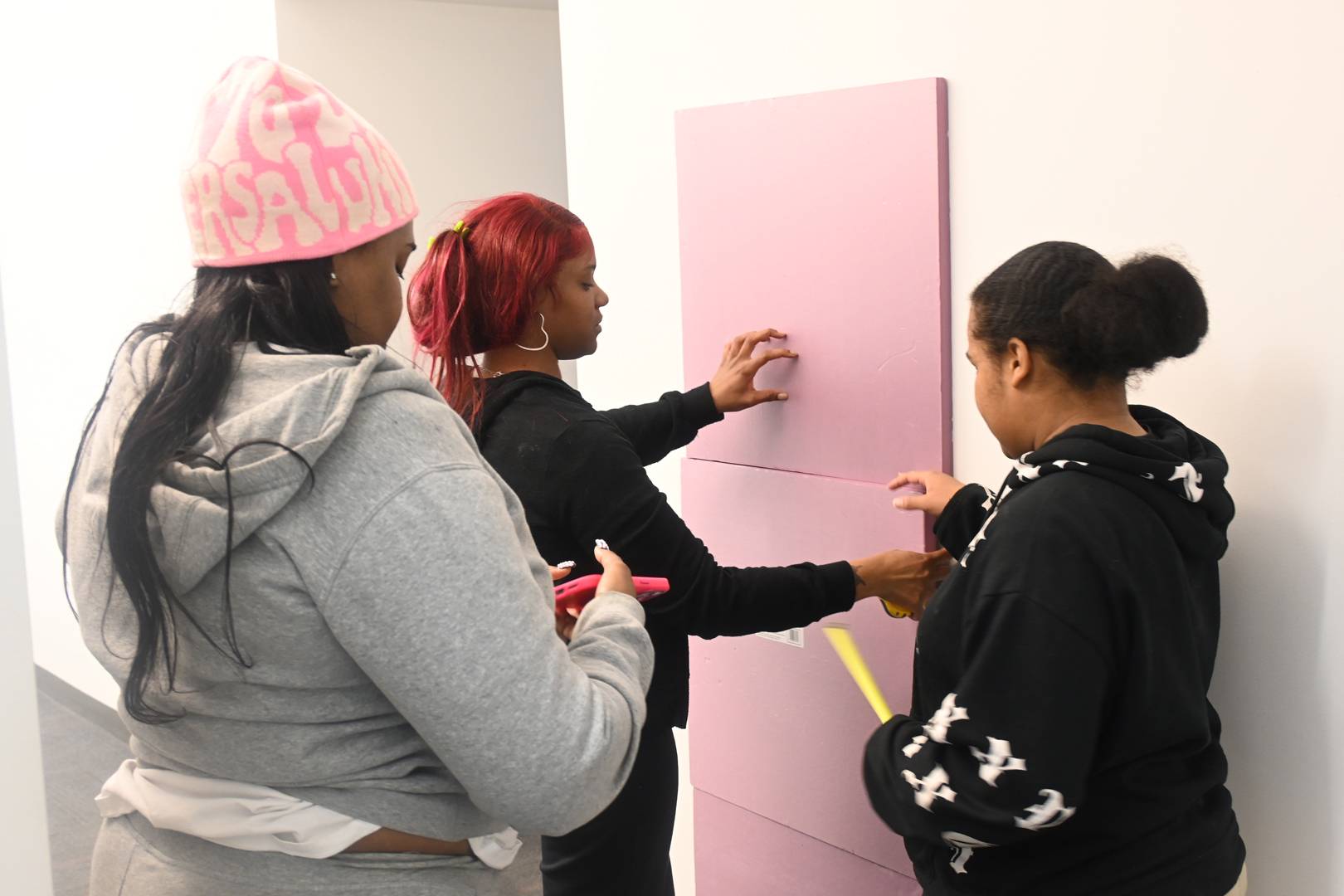
One of the biggest ironies I have experienced at TC is the difference of a few letters between “constructionist” and “construction trades” is a vast “beyond the pale.”
February 2, 2026 by Robert Lewis
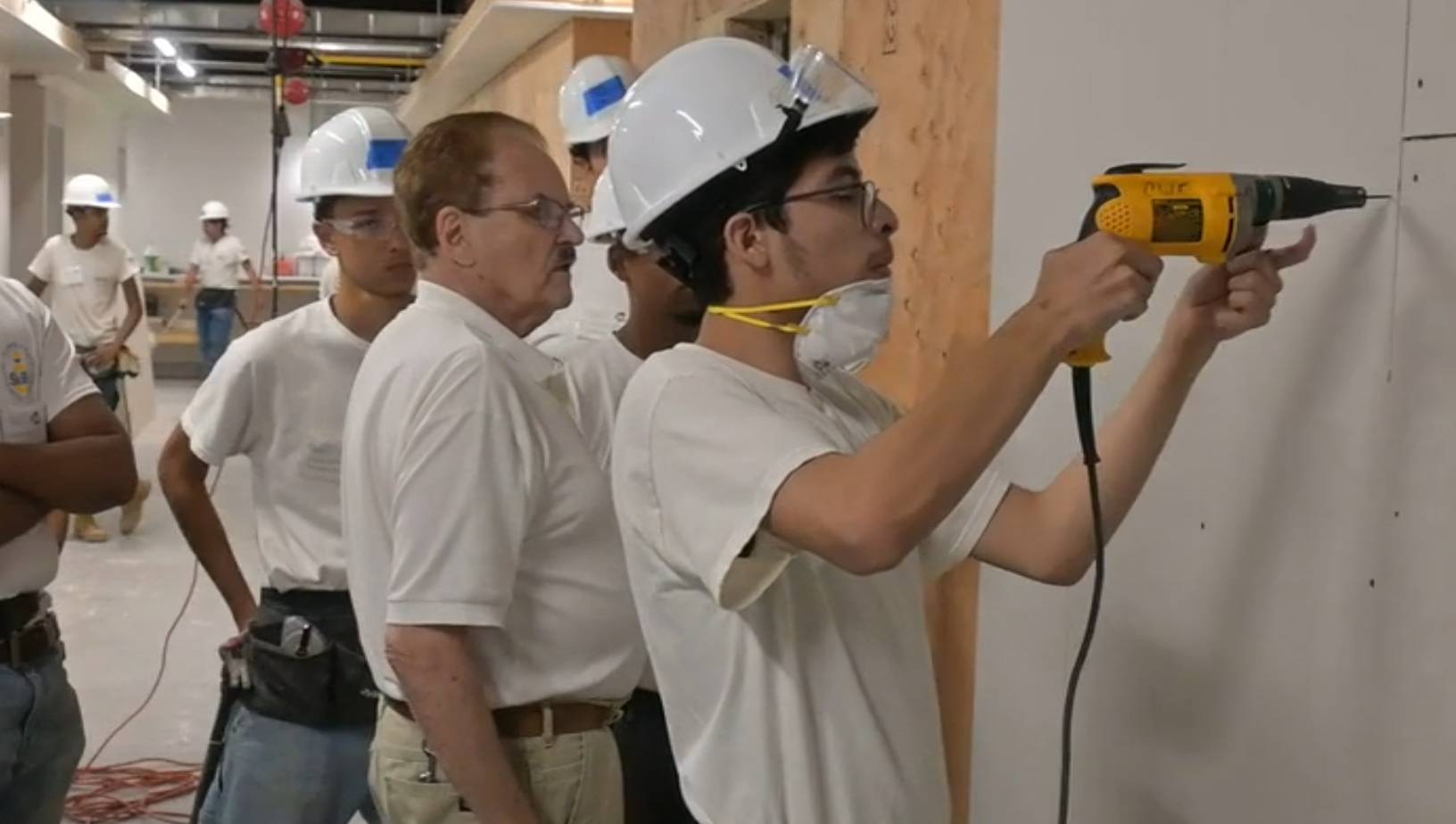
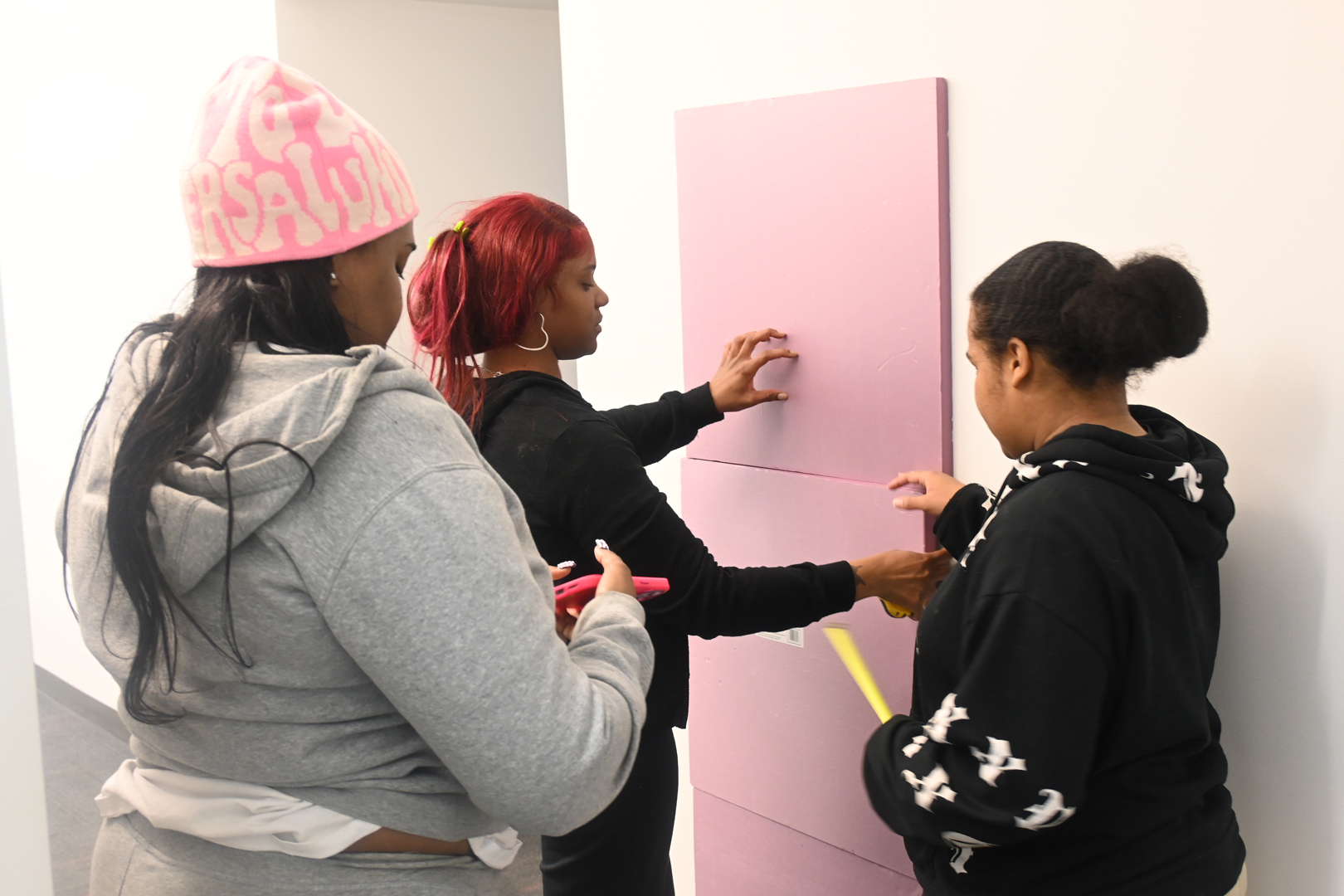
Using novel technologies does not align well with our traditional ways of teaching an apprentice how to hammer a nail. Here was my first attempt to incorporate a hand held tutor into our community of practice. Although helpful, to me it seemed to get in the way of our zone of proximal development.
February 2, 2026 by Robert Lewis
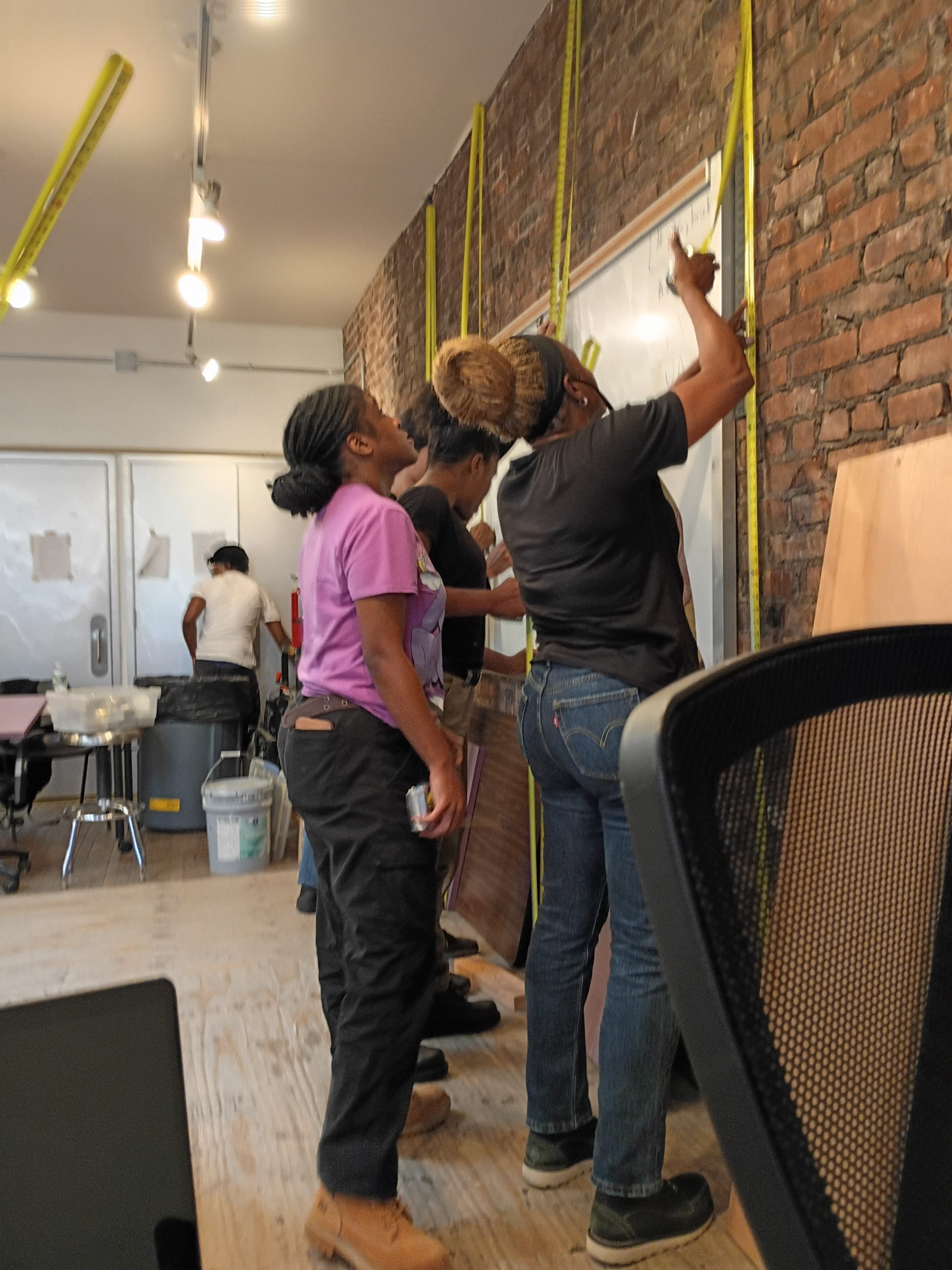
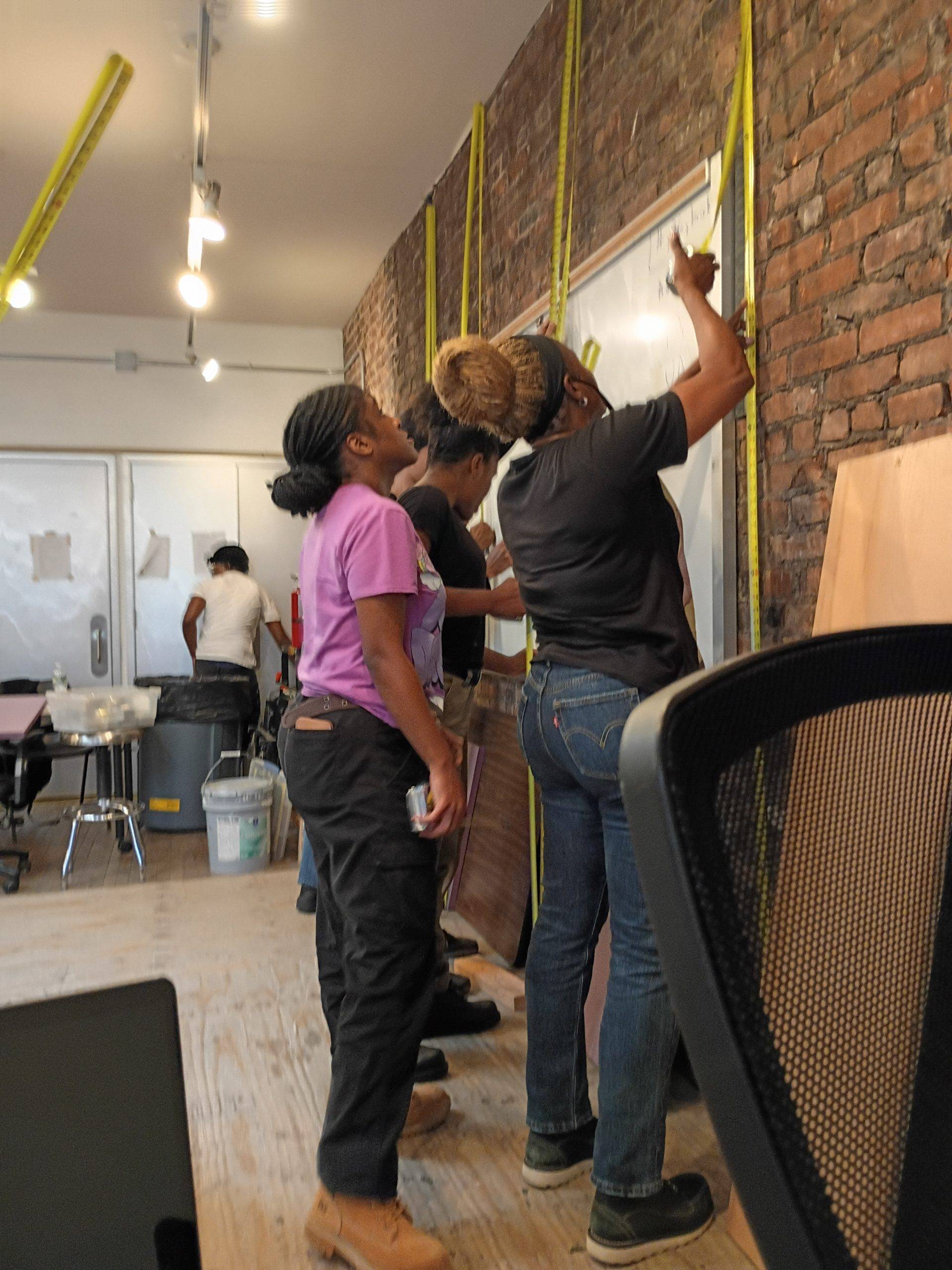
When apprentices are “out and about,” employing embodied cognitions and situated learning, that’s when learning really happens on a worksite. Time flies, and accountable, engaged communications echo through the worksite.
February 2, 2026 by Robert Lewis
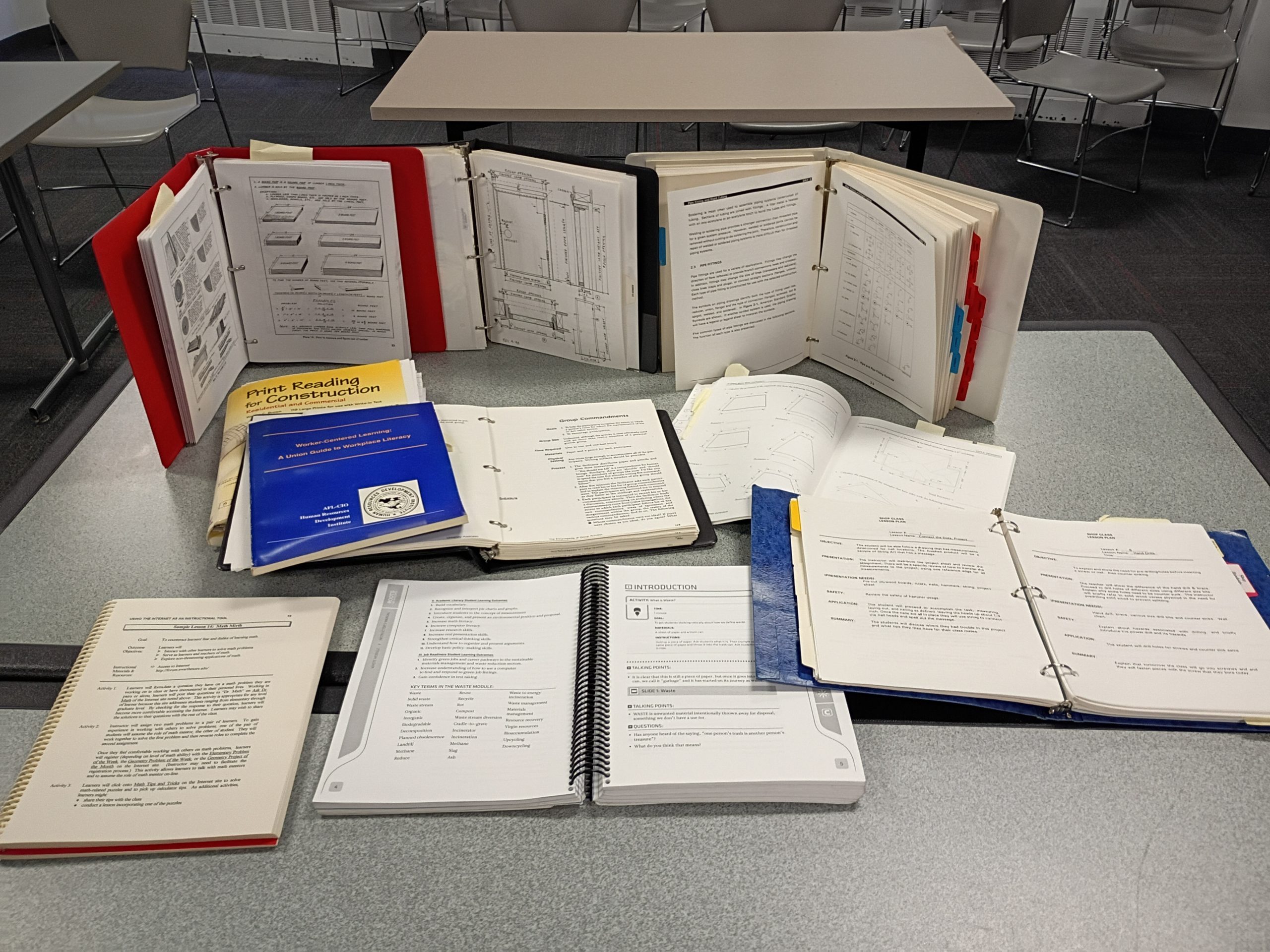
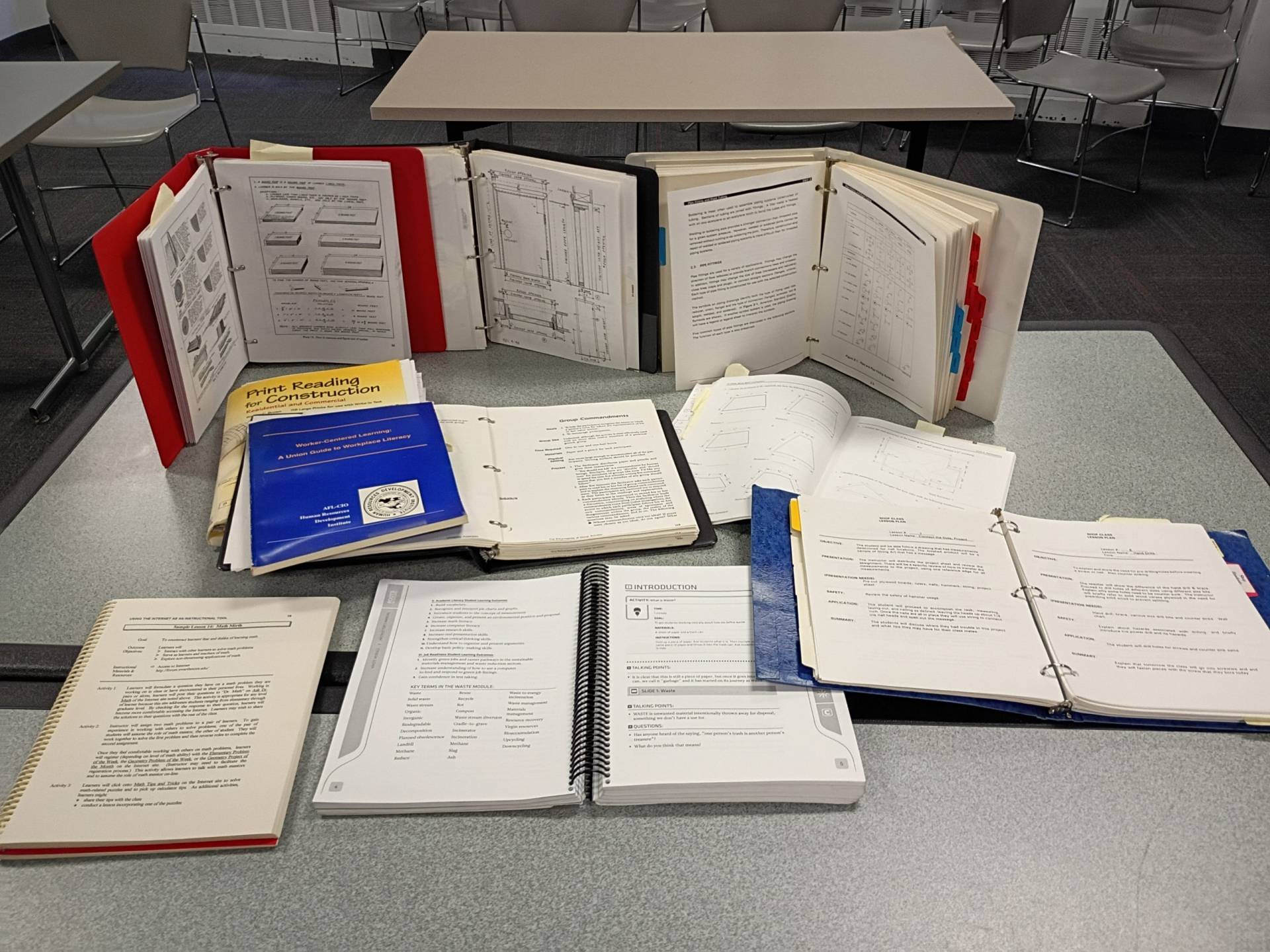
Unfortunately, in a classroom setting, teaching techniques haven’t progressed much from the 1950s. Didactic lesson plans, where the journeyman talks for long spans of time, sporadically asking cloze like questions. Here is the gap that I wish to fill.
The authority to sponsor an apprenticeship program in New York lies not with the Regents, but the Department of Labor. For example, the Industrial Commissioner of the NY DOL registered the NYC Electricians apprenticeship program in 1943. this process of differentiation and specialization has taken place chaotically, without clear and precise principles, without a well thought out and consciously fixed plan. , The Organization of Education and Culture From the Wagner Laws, back to the guilds, the “mysteries of the trades” have been closely guarded secrets, chartered by the kings of England as monopolies in exchange for income to the […]
“Version 1” of my microworld was my MSTU 5027 project titled, “the lights don’t work.” It’s the most common job an electrician has, showing up on a worksite with the simple instruction of getting the lights back on. He has to troubleshoot where the short circuit is, and if it’s an old building, make sure the current is to code. The cardboard tiles on the right are various resistors to place on the punch out to complete the circuit. The goal is to get the amperage to the correct value using the resistors. There’s also a potentiometer on the underside […]